
The Discovery of Nothingness
Being and NothingnessThis thread tracks the move from questioning and negation to the claim that human freedom makes nothingness operative within the world.
increasing Bearing strength in each event
 decreasing
Bearing strength in each eventdecreasingQuestioning Being

Questioning Being
The Negative Reply
Inquiry presupposes that an answer might be no. The questioner faces both an absence of knowledge and the possibility that the sought being is not there.
Stakes
Nothingness is not yet explained, but it has entered the structure of ordinary questioning rather than remaining a remote abstraction.
Pierre Is Absent
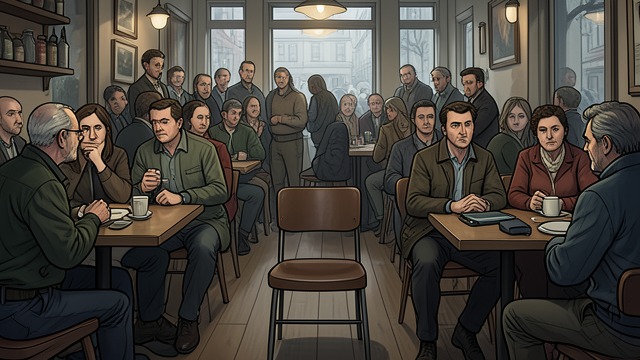
Pierre Is Absent
A Concrete Absence
The search for a friend reorganizes a café as a ground on which the expected person might appear. Each face is briefly considered and dismissed.
Discovery
When the friend is not found, absence is experienced before it is stated in judgment. The negative sentence rests on an already disclosed nothingness.
Against Abstract Nothing
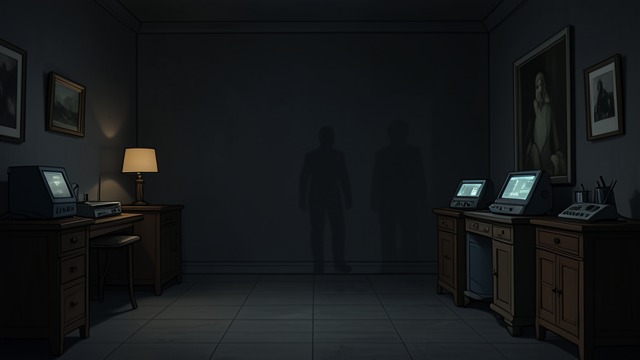
Against Abstract Nothing
Critique of Dialectic
The argument rejects treating being and nothingness as equivalent abstractions. Nothingness is logically subsequent to being because it denies something already posited.
Concrete Pressure
Distance, absence, and other negative structures are real features of experience, but none can be placed outside being as an independent substance.
Human Nihilation
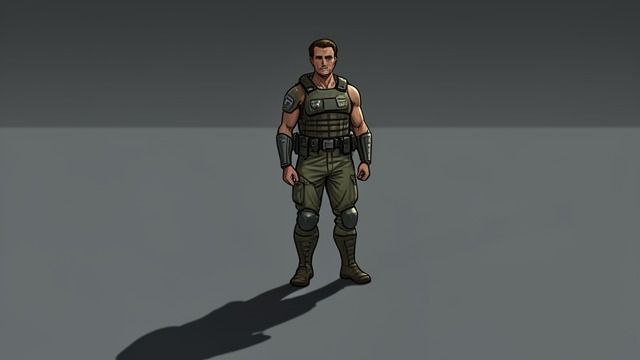
Human Nihilation
The Source
Nothingness cannot produce or sustain itself. A being must make nothingness appear, and it must have the nothingness of its own being at stake.
Consequence
Questioning, choice, and separation from the given reveal freedom as the condition through which nothingness comes into the world.
Anguish and Freedom

Anguish and Freedom
Motives Without Chains
The cliff and the past resolution do not mechanically determine conduct. Each possible action still requires a free act that sustains it.
Recognition
Anguish is the reflective apprehension of this responsibility. It reveals freedom not as a detachable faculty but as the being of human reality.
Part One, Chapter One, Section I
Part One, Chapter One, Section II
Part One, Chapter One, Sections III–IV
Part One, Chapter One, Section V
Part One, Chapter One, concluding discussion
